


 Hire Custom Software Developers
 Hire API Developers


 Hire UI Designers
 Hire UX Designers
 Hire Mobile App UI/UX Designers
 Hire Web App UI/UX Designers
 Hire Wireframe & Prototyping Experts


.png)


 Hire Data Analysts
 Hire Data Engineers







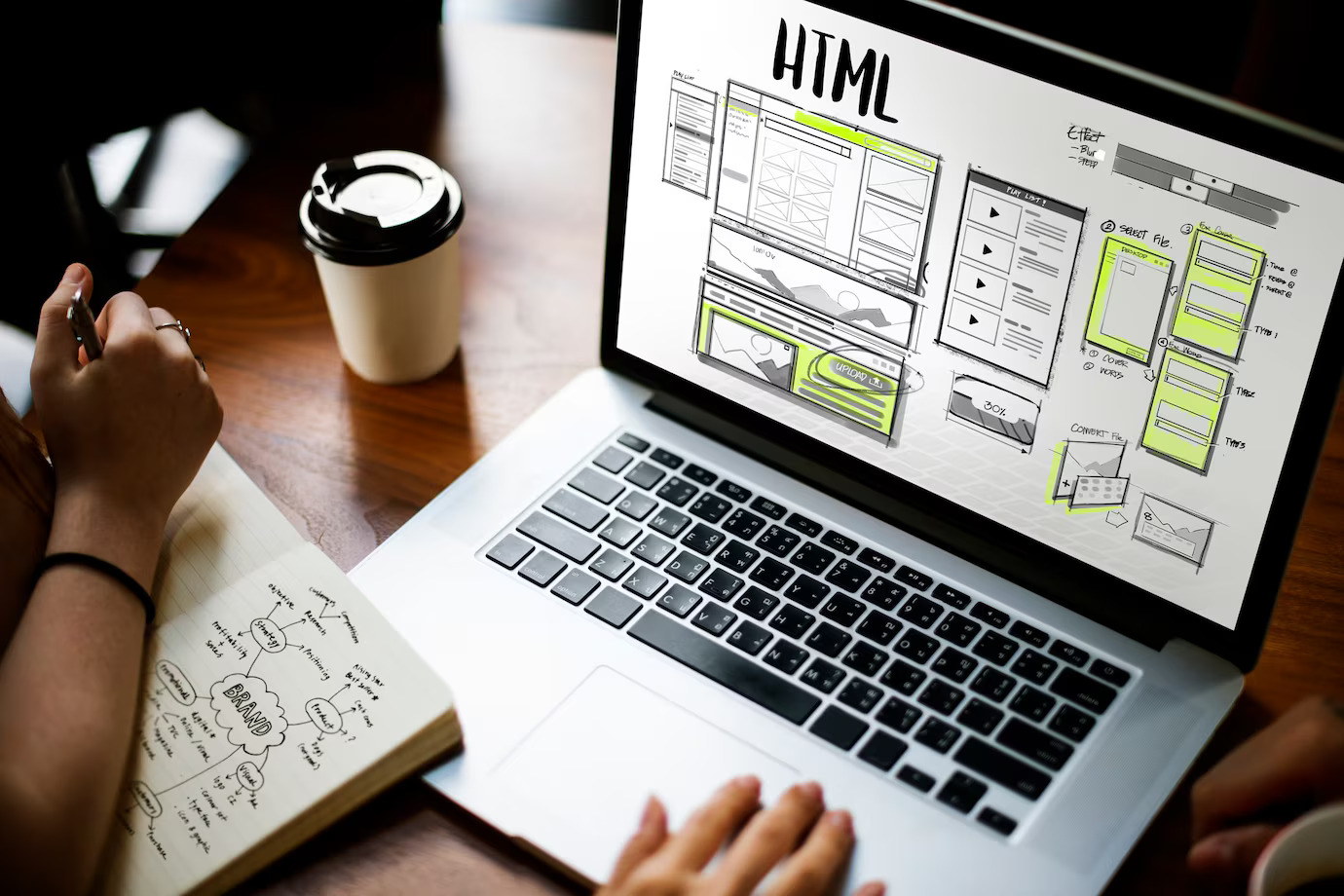
Crafting Websites with HTML5 & CSS
HTML5 is the latest version of the standard markup language for creating web pages, offering enhanced structure, multimedia integration, and responsive design for better user experiences. CSS, used alongside HTML, controls the visual presentation, enabling developers to define colors, fonts, layouts, and other aspects to ensure visually appealing and consistent websites across various devices.
- HTML5 maintenance- Make your HTML5 website free of errors
- Conversion from Flash to HTML5- While you have Flash-based application, we can convert its content to HTML5
- CSS3 is the best tool defining HTML codes
- CSS3 helps in controlling page structures easily
Industries We Serve
Building the Best Frameworks
HTML5 and CSS together provide the building blocks for creating modern and engaging web pages. They enable developers to structure content, apply styles, and create interactive elements that enhance the user experience. Understanding and effectively using HTML5 and CSS are crucial skills for web development.

Reach Out to Us
Tools and Techniques


Frequently Asked Questions
Got a project?
Let’s talk.
We’re a team of creatives who are excited about unique ideas and help fin-tech companies to create amazing identity by crafting top-notch UI/UX.